
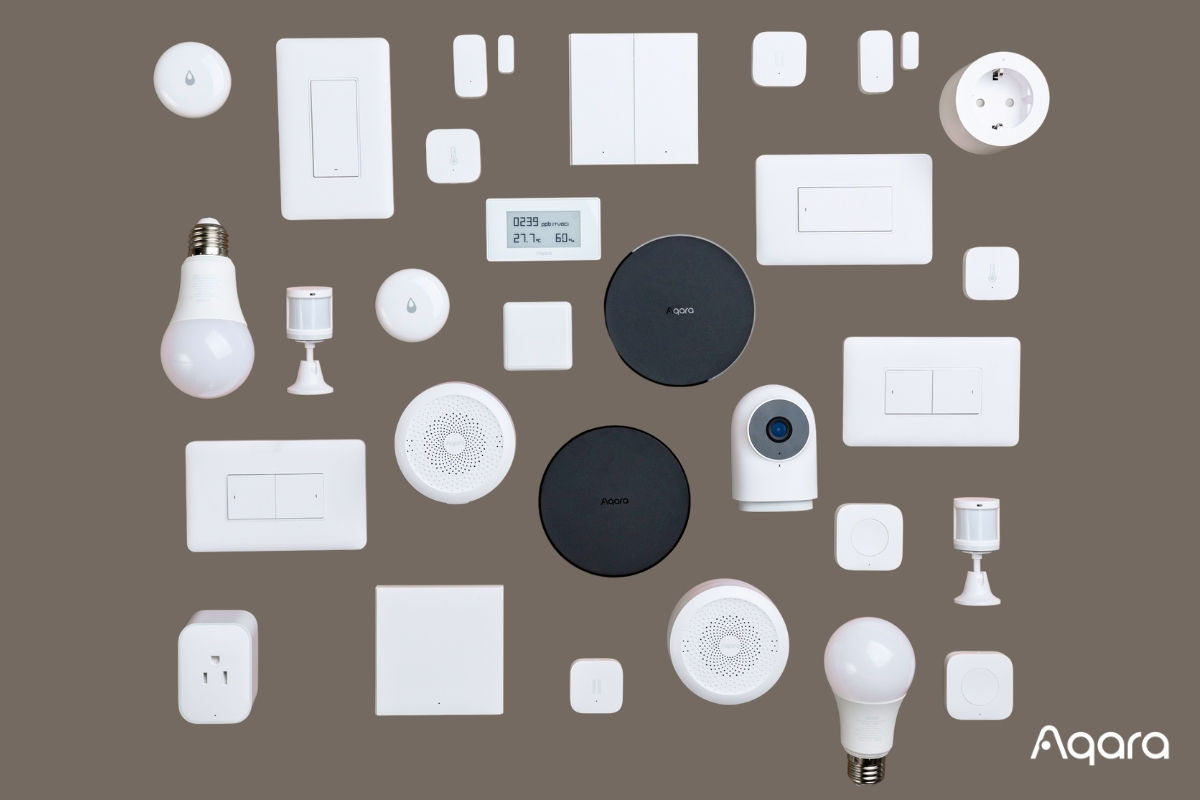
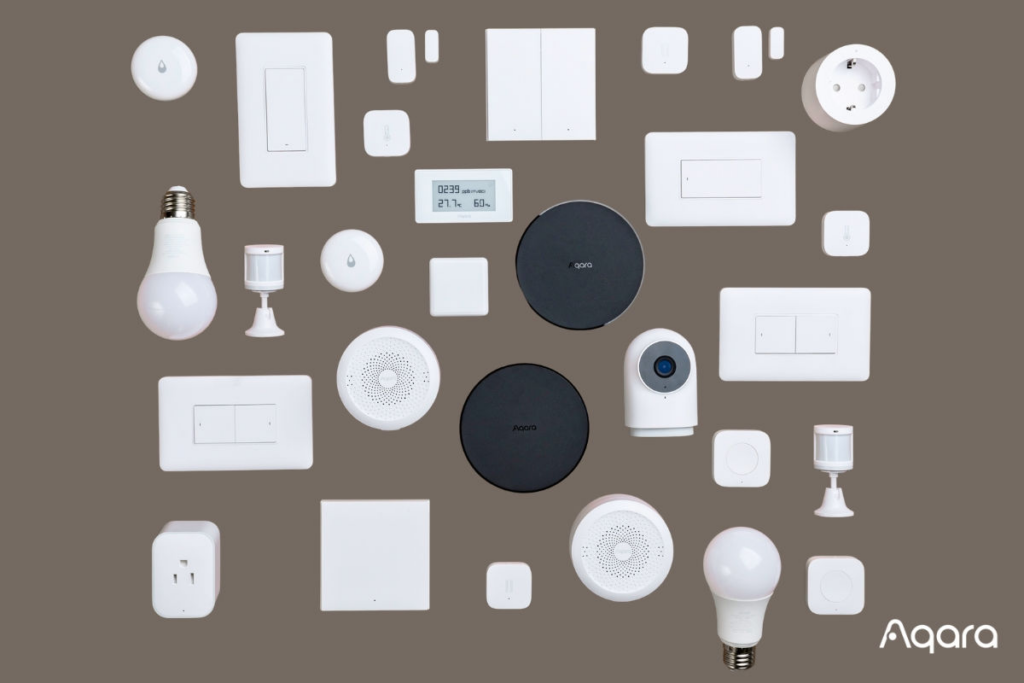
When people start building a smart home, they usually focus on the devices themselves — sensors, bulbs, plugs, switches, and hubs.
But one of the most important decisions actually happens early: how those devices communicate.
Two common options are Zigbee and Bluetooth. Both are wireless, both are used in smart home products, and both can work well in the right situation. But they are not designed for exactly the same job.
If you are trying to build a setup that feels reliable, responsive, and easy to expand over time, it helps to understand the difference.
What is Zigbee?

Zigbee is a wireless protocol designed specifically for smart home and automation devices.
It is commonly used for things like:
- smart sensors
- smart plugs
- bulbs
- buttons
- switches
- thermostatic devices
One of Zigbee’s biggest strengths is that it creates a mesh network.
That means many Zigbee devices do not just connect back to one central point. Instead, compatible mains-powered devices, such as smart plugs or bulbs, can help pass the signal along. In simple terms, your network can get stronger as you add more suitable devices around the home.
This is a big reason Zigbee is so popular in larger or growing setups.
Why people like Zigbee
- It is built for smart home automation
- It uses low power, which is ideal for battery devices like sensors
- It can cover more of the home through mesh networking
- It works well when you have lots of devices
What is Bluetooth?
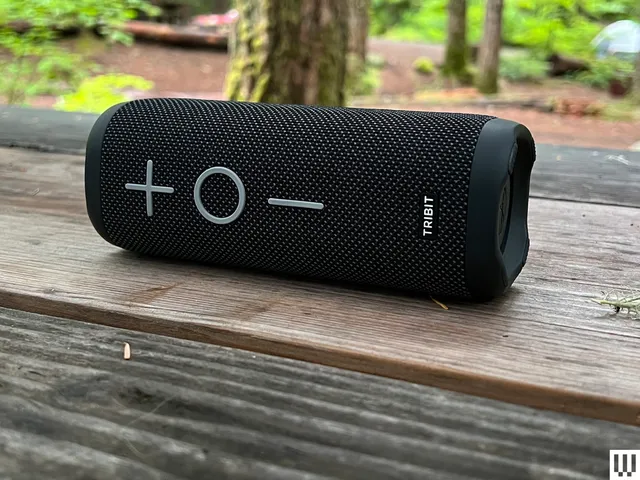
Bluetooth is better known as a general-purpose short-range wireless connection, and is found everywhere in our everyday devices.
In the smart home world, Bluetooth can still be useful. It is often found in smaller, simpler products where the goal is direct communication over a short distance.
For example, a Bluetooth device might communicate directly with a phone, tablet, or hub nearby.
Why people use Bluetooth
- It is simple and widely supported
- It works well at short range
- It can be a good option for individual devices
- Setup can feel straightforward in smaller environments
Bluetooth is not “bad” for smart homes, we feel it is just usually better suited to more limited use cases.
Why Zigbee is often the better choice
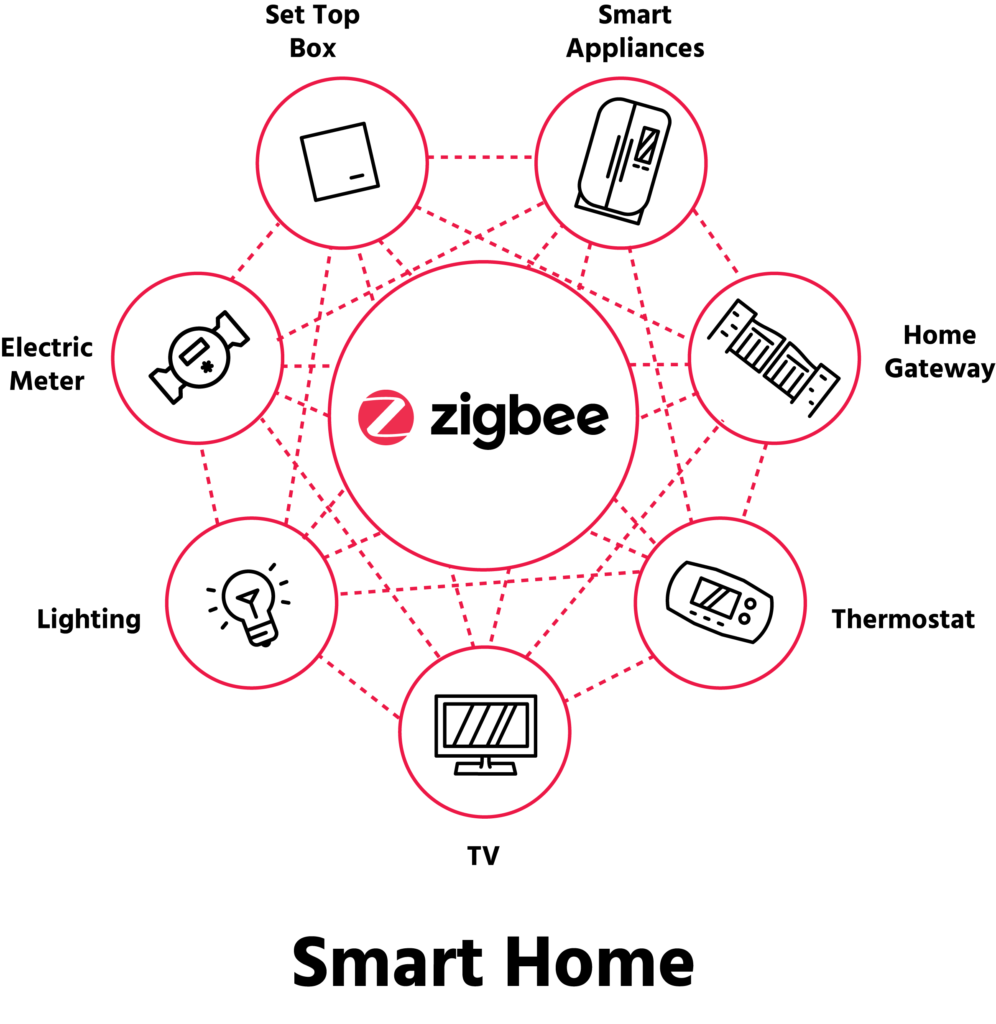
For most smart home users, the goal is not just to connect one device. The goal is to build a system.
That system might eventually include:
- motion sensors
- door sensors
- smart plugs
- lights
- buttons
- heating controls
This is where Zigbee starts to make much more sense. You can check out somegreat zigbee sensors here.
1. Better for larger setups
Because Zigbee can form a mesh network, it is much better at handling devices spread around a home.
Instead of depending on one direct connection from every device, the network can be extended through compatible powered devices placed around the property.
2. Great for battery-powered sensors
Zigbee is very commonly used for low-power devices, which makes it a strong choice for sensors that need to last a long time without frequent battery changes.
3. Easier to grow over time
A lot of people start small and expand later. Zigbee is much better suited to that path. As it is the main smart home protocol most smart home devices will include this.
Where Bluetooth still makes sense
Bluetooth still has its place.
It can be a good fit when:
- you only need a small number of devices
- everything is close together
- you want something simple and local
- the device is designed around phone-based control
For an easy Bluetooth adapter click here.