
Smart Home
This section explains the core concepts behind modern smart homes — from sensors and wireless protocols to platforms like Home Assistant and MQTT. If you’re new to smart home tech, or want to properly understand how everything fits together before building, this is the right place to begin.
-
How I use smart alarms with Home Assistant?
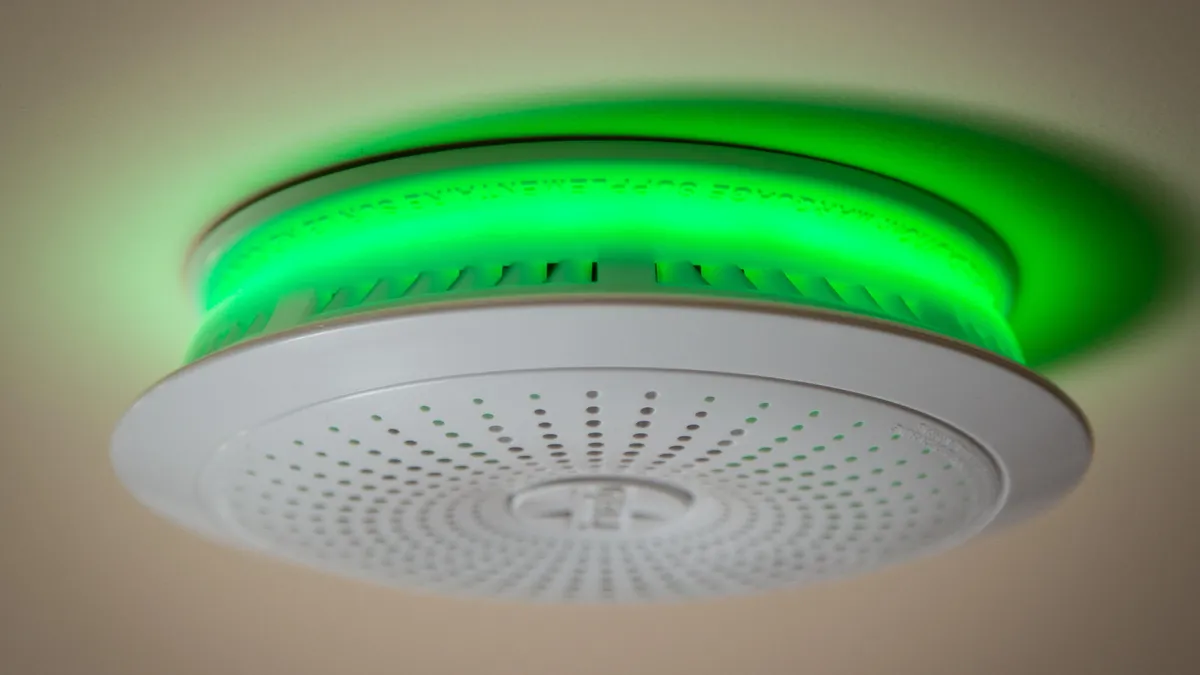
Zigbee smoke, carbon monoxide, and gas alarms should always be treated as standalone safety devices first. They need to be loud, local, and reliable on their own. Home Assistant doesn’t replace that, but it gives you much quicker notice that something is happening.
-
Choosing the Right Home Automation Server (for Home Assistant)
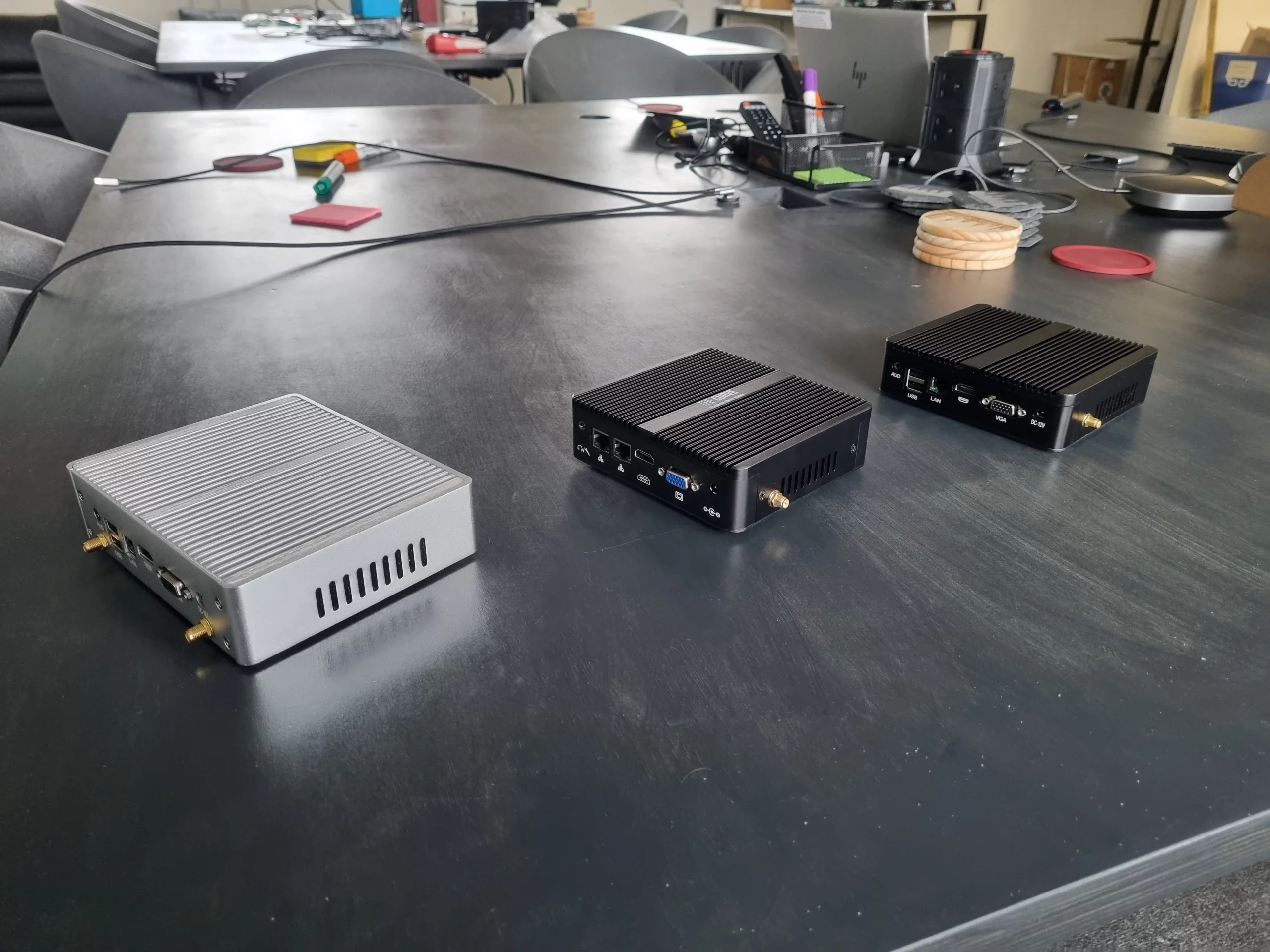
We stock a large range of Home Assistant servers that come pre-installed with Home Assistant OS. Each machine is hand-picked to provide reliable, local smart home control with silent, fanless operation. Below, we compare the specifications of each model so you can decide which one is the right choice to run your Home Assistant server…
-
Are Smart Home Products Effective at Saving Energy Over Winter?
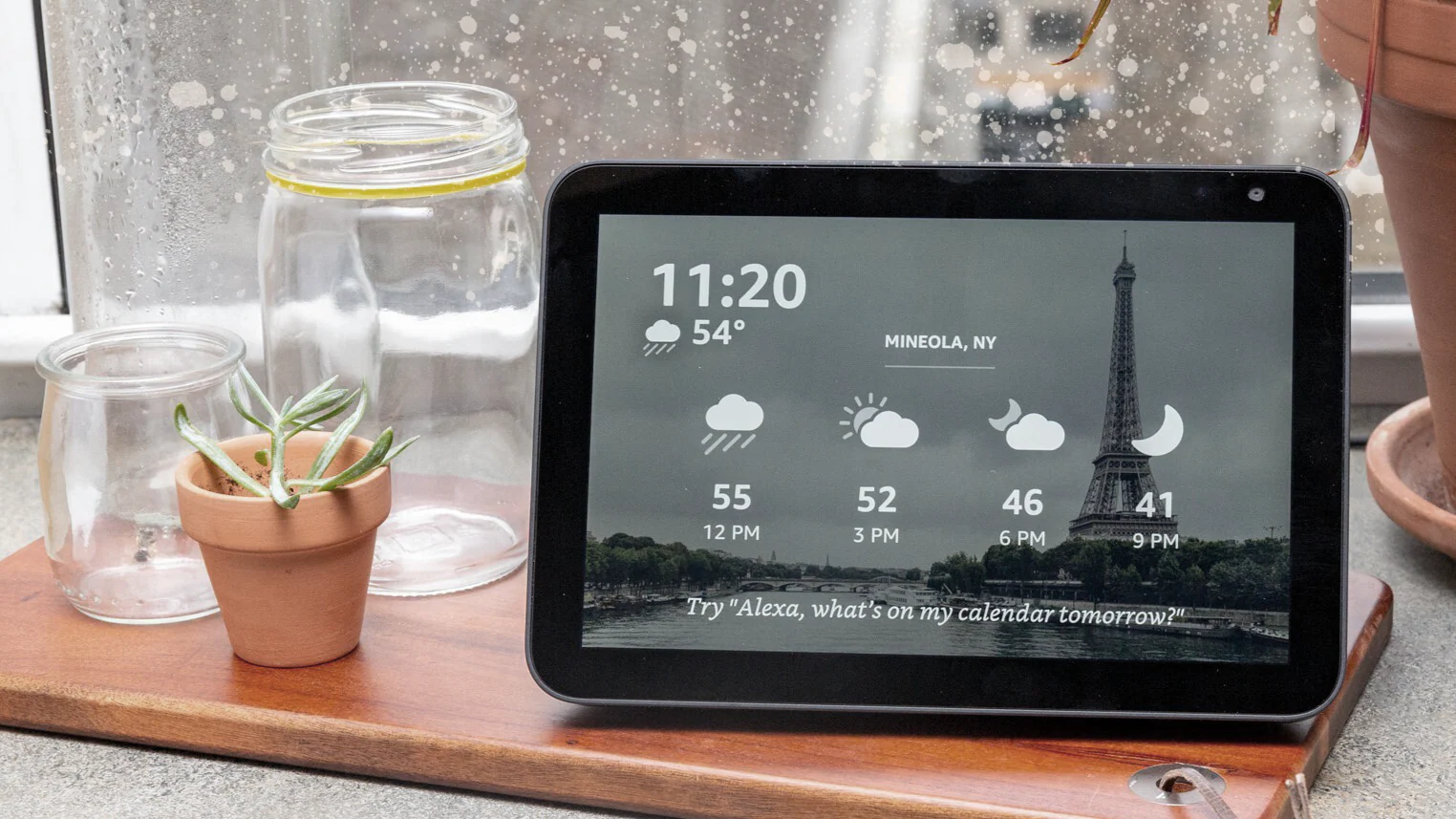
Winter is when energy bills hit hardest — and it’s also when smart home technology proves its real value. While no single device is a magic fix, the latest research shows that well-designed smart heating systems consistently help households cut waste, improve comfort, and make heating far more efficient during the coldest months.
-
Which Shelly Dimmer Do I Need?
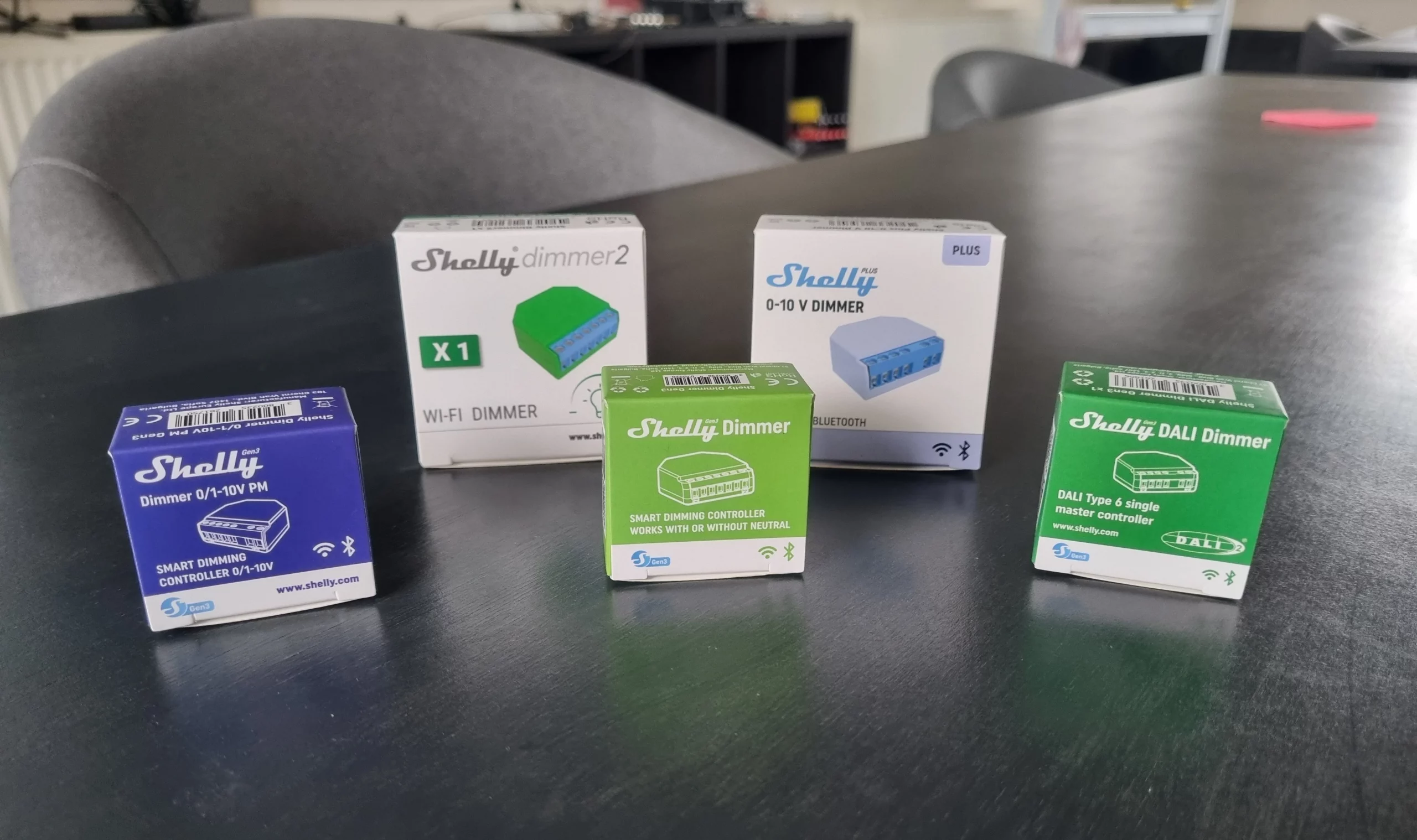
Smart lighting is one of the easiest and best ways to make your home smarter. But with so many different dimmers available, how do you know which one is right for you?
-
What hardware do I need to run Home Assistant?
Home Assistant will run on any hardware that meets the following minimum requirements: The easiest way to get up and running with Home Assistant is to run it on a dedicated device such as a Raspberry Pi or a small lower-power computer such as an NUC. NUC A NUC is a small, but powerful computer…
-
What is Homey?
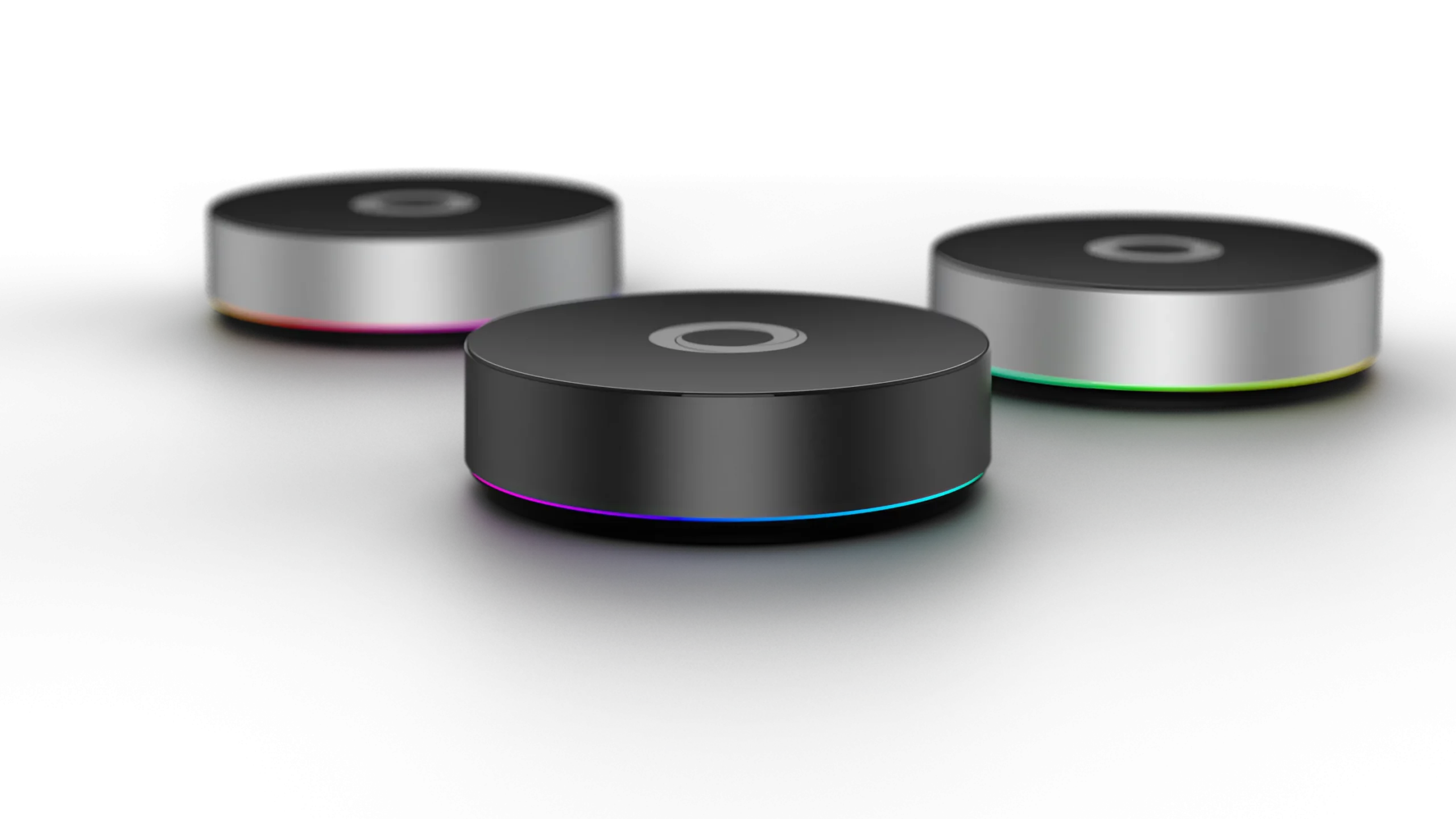
Homey is an easy-to-use smart home system that helps you control various aspects of your home and bring them into a single system. It acts as a central hub, allowing you to not only manage your lights, thermostat, security system but also automate them. Homey integrates with an extremely large array of devices and supports…
-
Basics of automations and scenes in home assistant
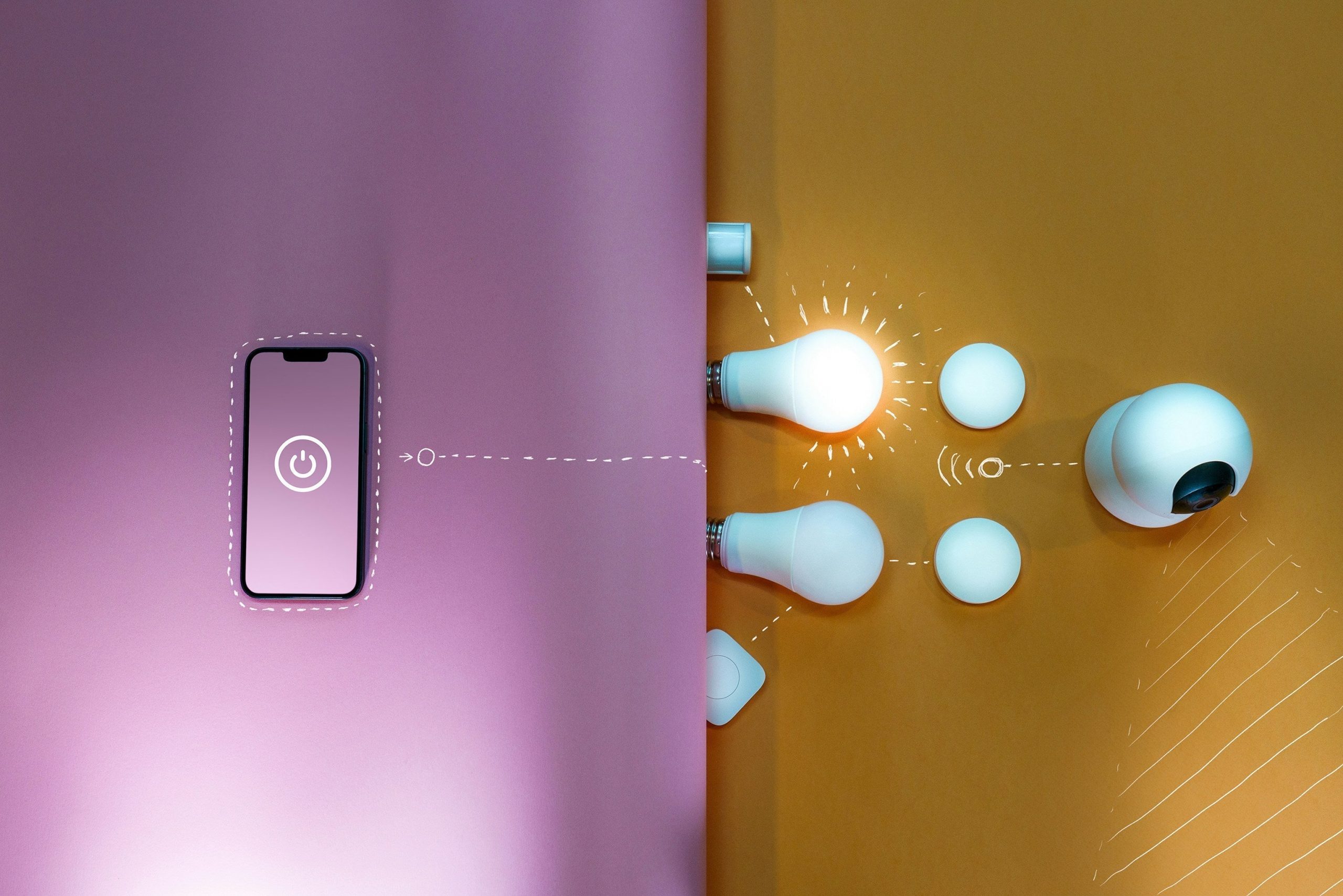
Throughout this post, we explain how to write automations and scenes within Home Assistant to control sensors, lights, and other entities in a consistent and reliable way. We cover when to use automations versus scenes, how they work behind the scenes, and how to combine them to create a smarter, more responsive home.
-
Unlocking your home assistant dashboard
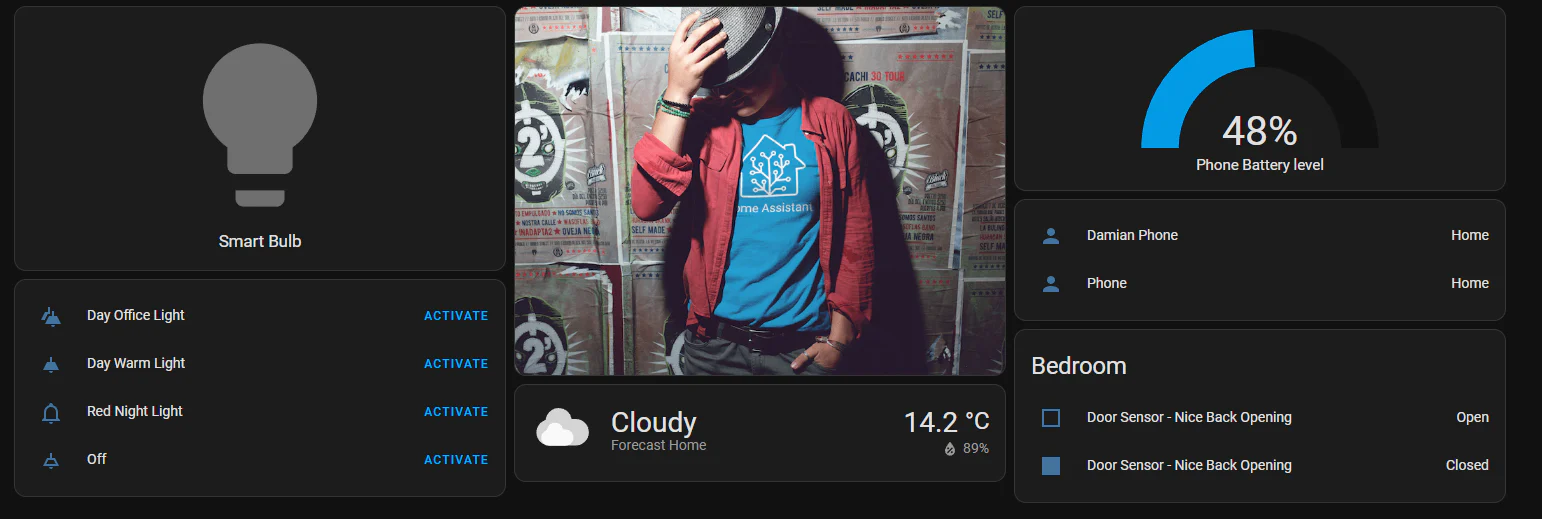
In this post we look at how to take control of your dashboard in Home Assistant, as well as create and manage views and cards.
-
Automation ideas for Door and Window Contact Sensors
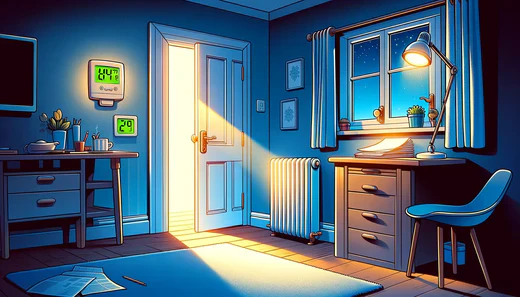
Door and window contact sensors are hugely versatile and can be used in a number of home automation scenarios. These sensors often consume very little power and can run off of a single battery for many months.
-
PIR vs. mmWave Sensors for Home Automation
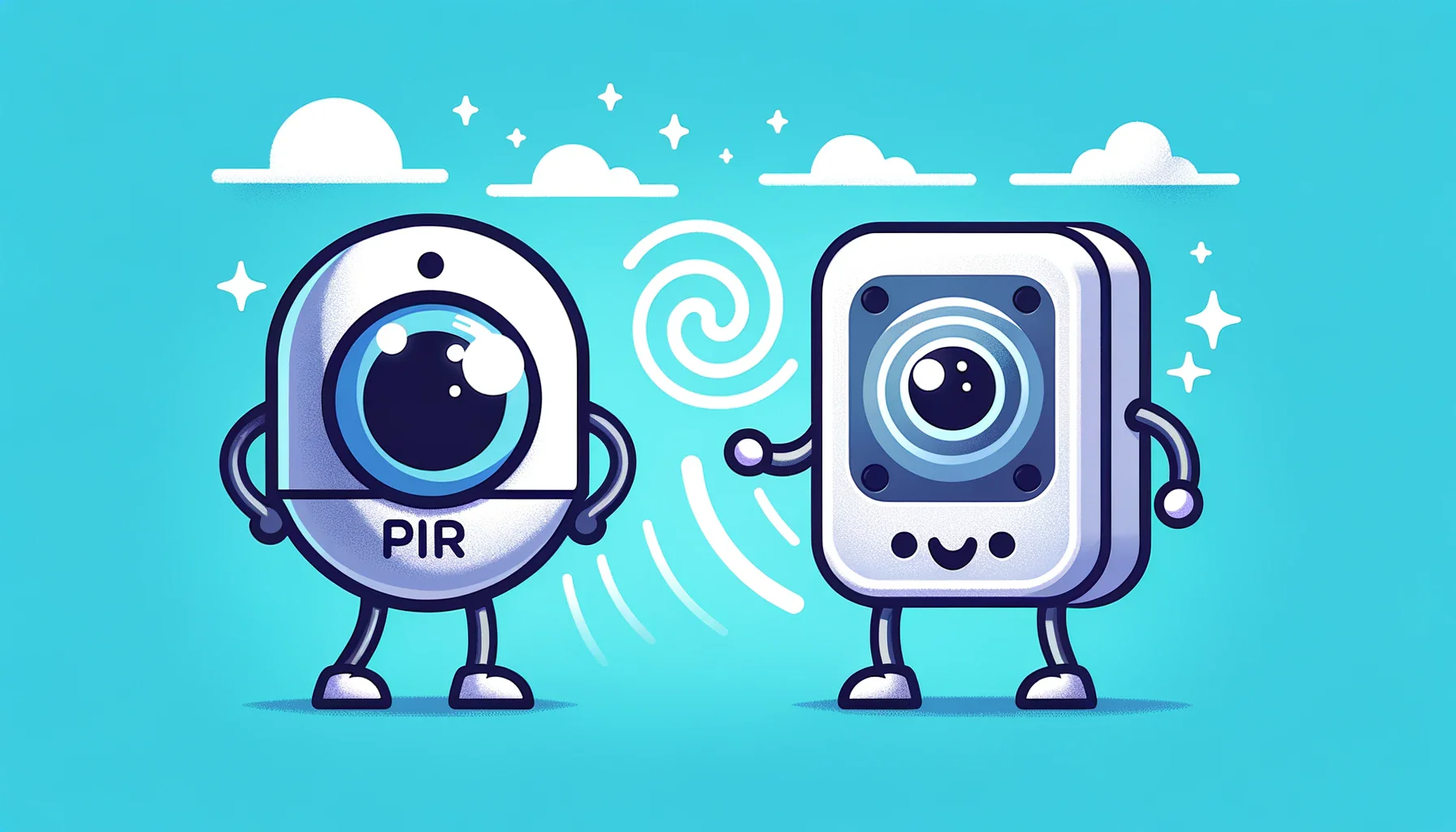
Two popular options for motion detection in smart home systems are Passive Infrared (PIR) sensors and millimeter wave (mmWave) sensors. Each technology comes with its own set of advantages and drawbacks, making them suitable for different applications depending on the specific needs of homeowners. Let's delve into the pros and cons of each:
Request a guide
Can’t find what you’re looking for?
If there’s a guide or problem you’d like covered, you can request one and we’ll prioritise it.